


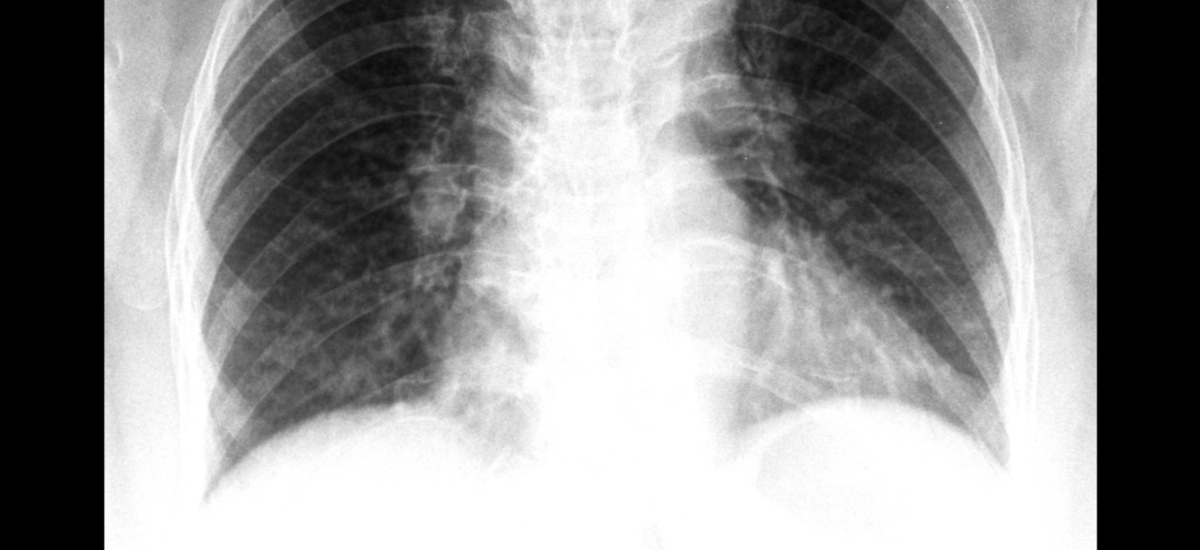
Receiving a lung cancer diagnosis is an overwhelming moment, filled with complex information and a flood of medical terminology. In the whirlwind of appointments, tests, and treatment plans, you might hear a clinician or see a document mention something like “C34.90” or “malignant neoplasm of lung.” This is an ICD-10 code. While it may seem like just bureaucratic medical shorthand, understanding this code is more important than you might think. It’s not just for billing; it’s a critical piece of the puzzle that ensures accuracy in your medical journey, from diagnosis to treatment tracking and beyond.
This guide will break down everything you need to know about the ICD-10 code for lung cancer. We will translate the medical jargon into plain English, explain why these codes matter for your care, and show you how they paint a detailed picture of your specific diagnosis.
What Exactly is an ICD-10 Code?
Let’s start with the basics. ICD-10 stands for the International Classification of Diseases, 10th Revision. It’s a globally used system created by the World Health Organization (WHO) to classify and code all diagnoses, symptoms, and procedures. Think of it as a universal language for diseases. Every possible health condition, from a common cold to a rare genetic disorder, has a unique alphanumeric code.
The transition to ICD-10 several years ago was a major shift because it allows for incredible detail. An ICD-10 code for lung cancer doesn’t just say “lung cancer.” It can specify the exact location within the lung, the type of cancer, and even which side of the body is affected. This level of precision is crucial for modern healthcare, facilitating accurate record-keeping, streamlining insurance claims, and empowering vital research by tracking disease patterns with great specificity.
The Core ICD-10 Code for Lung Cancer: The C34 Category
All primary lung cancers, meaning cancers that originate in the lungs, fall under the ICD-10 category C34: Malignant neoplasm of bronchus and lung. “Malignant neoplasm” is the medical term for cancer. This category is then divided into more specific subcategories, each with its own unique code. The structure is logical and location-based.
Here is a breakdown of the primary lung cancer ICD-10 codes:
- C34.0: Malignant neoplasm of main bronchus. This refers to cancer originating in one of the two main airways that branch off from the windpipe.
- C34.1: Malignant neoplasm of upper lobe, bronchus or lung. The upper lobes are the top sections of the lungs.
- C34.2: Malignant neoplasm of middle lobe, bronchus or lung. This applies only to the right lung, as the left lung does not have a middle lobe.
- C34.3: Malignant neoplasm of lower lobe, bronchus or lung. The lower lobes are the bottom sections of the lungs.
- C34.8: Malignant neoplasm of overlapping sites of bronchus and lung. This is used when a tumor involves more than one of the above areas and the primary starting point cannot be determined.
- C34.9: Malignant neoplasm of unspecified part of bronchus or lung. This is a general code used when the exact location within the lung is not specified in the available records.
Why Specificity Matters: Laterality and Histology
The codes above get even more detailed. ICD-10 requires laterality, meaning you must specify whether the cancer is in the right lung, left lung, or both. Therefore, each code from C34.0 to C34.9 is typically used with a fifth digit to indicate this:
- C34.XX1: Malignant neoplasm of [site], right side
- C34.XX2: Malignant neoplasm of [site], left side
- C34.XX3: Malignant neoplasm of [site], bilateral
For example, C34.11 signifies a malignant neoplasm of the upper lobe of the right lung. C34.12 is the same diagnosis in the left lung. This precision is vital for surgeons, radiologists, and oncologists planning treatment.
Furthermore, while the C34 ICD-10 code describes the location, your medical team also uses a separate code from pathology to describe the type of cancer cell, known as the histology. The two main types are:
- Small Cell Lung Cancer (SCLC): This aggressive type is often represented by its own ICD-O-3 morphology codes (like 8041/3) in pathology reports, but the location will still be coded within the C34 category. You might hear your team refer to a small cell lung cancer code in this context.
- Non-Small Cell Lung Cancer (NSCLC): This broader category includes adenocarcinomas, squamous cell carcinomas, and large cell carcinomas. Again, specific morphology codes detail the type.
How ICD-10 Codes Impact Your Lung Cancer Journey
You might wonder why a patient needs to understand this coding system. The reason is that these codes are woven into every aspect of your care.
For Accurate Diagnosis and Staging: The specific ICD-10 code for lung cancer works hand-in-hand with your pathology report and imaging (like CT scans) to create a complete clinical picture. It helps your team accurately stage the cancer, which is the single most important factor in determining your treatment options and prognosis.
For Insurance and Billing: This is the most practical application. Medical coders at your hospital or clinic use these codes to translate your diagnosis and treatments into claims for your insurance company. An incorrect or vague code can lead to claim denials or delays, adding unnecessary stress. An accurate malignant neoplasm of lung code ensures smoother administrative processes.
For Treatment Planning and Coordination: A surgeon needs to know if the code is C34.11 (right upper lobe) or C34.31 (right lower lobe) to plan a resection. A radiation oncologist uses the code to target therapy precisely. The code follows you in your electronic health record, ensuring every specialist on your team is on the same page about the primary site of your disease.
For Crucial Research and Statistics: On a broader scale, aggregated and anonymized ICD-10 data helps public health officials and researchers. They track lung cancer rates, identify trends (like increases in a particular demographic), measure treatment outcomes, and allocate funding for research. Your specific coded data, stripped of personal identifiers, contributes to the larger fight against this disease.
Navigating Common Questions and Confusions
Patients and caregivers often have specific questions when they first encounter these codes.
What if the cancer has spread? The C34 code is used for the primary site. If lung cancer spreads (metastasizes) to another organ, like the brain or bones, that secondary site will receive its own separate ICD-10 code. The primary lung code remains, as it identifies the origin of the disease.
What is the difference between C34.9 and C78.0? This is a critical distinction. C34.9 is for a primary lung cancer. C78.0: Secondary malignant neoplasm of lung is used when cancer that started in another part of the body (e.g., breast, colon) spreads to the lung. They are fundamentally different diagnoses with different treatment approaches.
Who assigns these codes? A certified medical coder or a qualified healthcare provider (like your oncologist) assigns the code based on the official documentation in your chart, primarily the pathology report and radiology findings.
Empowering Yourself Through Understanding
In my decade of writing about complex medical topics, I have seen firsthand how demystifying terminology reduces anxiety and empowers patients. When you see “C34.11” on a document, you can now understand it translates to “primary cancer in the upper lobe of my right lung.” This knowledge allows you to have more informed conversations with your care team. You can ask targeted questions: “My code indicates the tumor is in the upper lobe; does that affect my surgical options?” or “Is my pathology report consistent with this specific ICD-10 code?”
Remember, these codes are a tool for clarity and precision in a system that can often feel impersonal. They ensure that your unique diagnosis is communicated accurately across the vast network of modern healthcare. While the code itself is a string of numbers and letters, it represents the beginning of a targeted, personalized fight against lung cancer. Always use this information as a foundation for dialogue with your doctors, who can provide context specific to your individual health situation.
Frequently Asked Questions (FAQs)
What is the most common ICD-10 code for lung cancer?
The code C34.90 (Malignant neoplasm of unspecified part of bronchus or lung) is frequently used initially or when a very specific location within the lung has not been determined. However, as testing progresses, a more precise code like C34.11 or C34.32 is typically assigned.
Is there a separate ICD-10 code for small cell lung cancer?
The location is still coded within the C34 series. The type (small cell) is defined by a separate histology code from the pathology report. In practice, your medical team will always consider both the location code and the pathology diagnosis together.
How do I find out my specific lung cancer ICD-10 code?
You can find this code on various medical documents, including billing statements, insurance explanations of benefits (EOBs), hospital discharge summaries, and sometimes within patient portal summaries. The most direct way is to ask your oncologist or a member of their administrative staff.
Can an ICD-10 code be wrong?
Yes, coding errors can happen due to human mistake or unclear documentation. If you believe your code is incorrect based on your understanding of your diagnosis (e.g., it says left lung but your cancer is in the right), you should bring this to the attention of your healthcare provider’s coding or billing department for correction.
Why does the exact location code matter for my treatment?
The precise lobe and side of the lung cancer significantly impact surgical planning. Some lobes are easier to operate on than others. Furthermore, it helps radiation oncologists minimize damage to healthy lung tissue and allows your team to accurately track the tumor’s response to treatment over time on scans.